
How to Register Property Online in Tamil Nadu 2026 complete Guide
Buying or selling property in Tamil Nadu requires legal registration with the government. The state provides an online system through TNREGINET, managed by the Tamil Nadu Registration Department.
This guide explains how to register property online in tamil nadu 2026 using clear, simple steps. It covers documents, fees, appointment booking, stamp duty, and common mistakes to avoid.
What Is TNREGINET
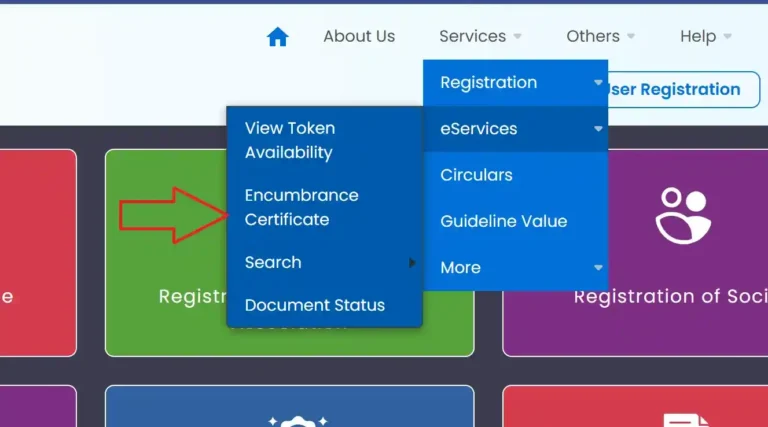
TNREGINET is the official online portal for property registration in Tamil Nadu. It allows citizens to:
It reduces paperwork and saves time at the Sub Registrar Office.
Who Can Register Property Online
You can use TNREGINET if you are:
- Buying land, house, flat, or plot
- Selling property
- Transferring property through gift deed
- Registering settlement deed or partition deed
- Creating mortgage deed
Both buyer and seller must be present during final biometric verification.
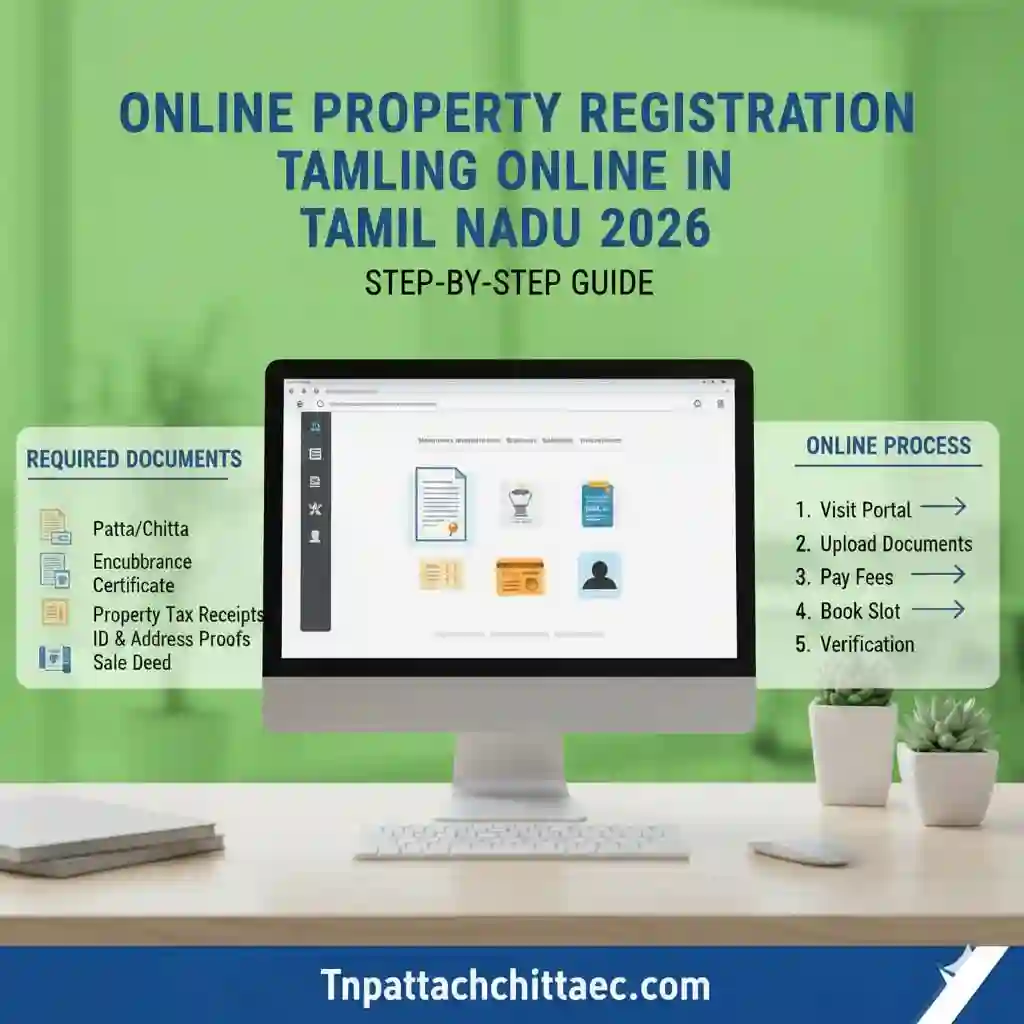
Documents Required for Online Property Registration
Before starting the process, keep these documents ready.
Register Property Online in Tamil Nadu
Identity Proof
- Aadhaar Card
- PAN Card
- Passport or Voter ID
Property Documents
- Sale deed draft
- Previous title deed copy
- Patta copy
- Encumbrance Certificate
- Property tax receipt
Additional Documents
- Passport size photographs
- Witness ID proof
- Power of Attorney if applicable
Make sure all names and spellings match across documents.
Step 1: Create an Account on TNREGINET
Visit the official TNREGINET portal.
- Click on User Registration
- Enter name, mobile number, email ID
- Create username and password
- Verify through OTP
Once registered, log in to your account.
Step 2: Prepare the Sale Deed
You must draft the sale deed before uploading. The deed should include:
- Buyer and seller details
- Property description
- Survey number
- Extent of land
- Guideline value
- Sale consideration amount
Many users consult a document writer or advocate to avoid errors.
Step 3: Check Guideline Value
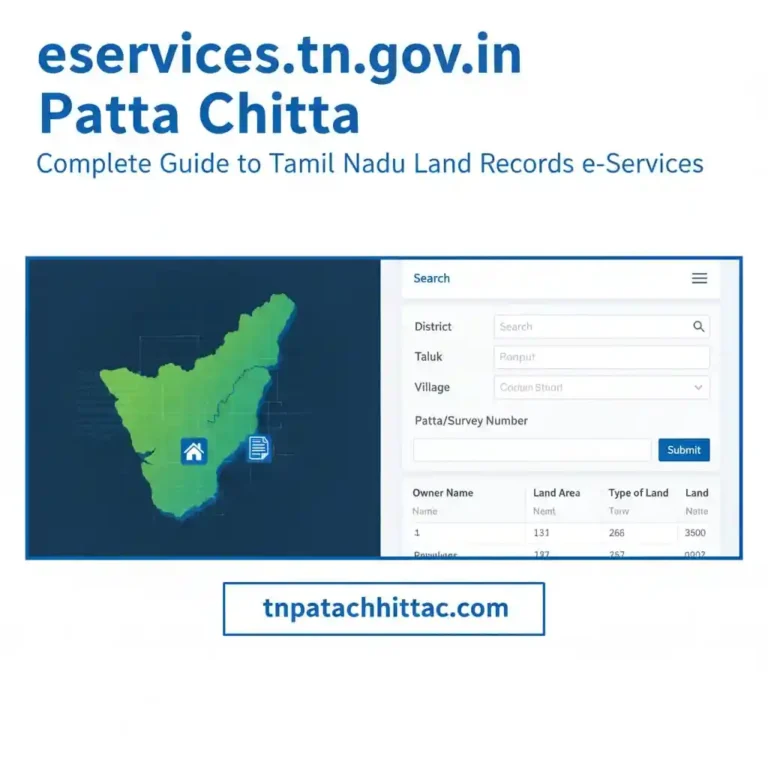
Before paying stamp duty, check the government guideline value on TNREGINET.
Search using:
- District
- Taluk
- Village
- Survey number
Stamp duty is calculated on the higher value between sale price and guideline value.
Step 4: Calculate Stamp Duty and Registration Fees
Tamil Nadu property registration charges in 2026 generally include:
- Stamp Duty: 7 percent of property value
- Registration Fee: 4 percent of property value
Rates may vary for gift deed or settlement deed.
The portal provides an automatic fee calculator.
Step 5: Fill Online Application Form
After logging in:
- Select Document Registration
- Choose document type
- Enter buyer and seller details
- Add property details
- Enter consideration value
- Upload required documents
Check every detail carefully. Errors can delay registration.
Step 6: Pay Stamp Duty Online
You can pay through:
- Net banking
- Debit card
- Online banking services
Payment receipt will be generated. Save it.
Step 7: Book Appointment at Sub Registrar Office
After payment:
- Select preferred Sub Registrar Office
- Choose date and time slot
- Confirm appointment
Visit the office on the scheduled date with:
- Original documents
- Payment receipt
- Identity proof
- Two witnesses
Biometric verification and photo capture will be completed at the office.
Step 8: Final Verification and Registration
The Sub Registrar verifies:
- Identity of buyer and seller
- Property ownership
- Document accuracy
Once approved, the document gets registered. You will receive a document number.
You can later download a certified copy from TNREGINET. Register Property Online in Tamil Nadu
How Long Does Online Property Registration Take
Online form submission takes about 30 to 45 minutes.
Sub Registrar verification may take one working day.
Certified copy is usually available within a few days.
Common Mistakes to Avoid
Always double check before final submission.
How to Check Registration Status
Log in to TNREGINET.
Go to Document Status section.
Enter document number and year.
You can see current progress instantly.
FAQs | Register-property-online-tamil-nadu-tnreginet-2026
Is online property registration fully digital in Tamil Nadu
No. Application and payment are online. Physical presence is required for biometric verification.
Can I register property without Aadhaar
Aadhaar is generally required for identity verification.
What if I enter wrong details online
You may need to cancel and reapply. Always verify before payment.
Is stamp duty refundable
Stamp duty refund depends on specific rules of the Tamil Nadu Registration Department.
Benefits of Registering Property Through TNREGINET
- Saves time
- Transparent fee calculation
- Reduces middlemen
- Easy tracking
- Secure record keeping
- Register Property Online in Tamil Nadu
The system improves transparency in Tamil Nadu property transactions. Register Property Online in Tamil Nadu
Important Tips for 2026 Buyers
- Always verify Encumbrance Certificate before buying
- Check Patta ownership status
- Confirm land classification
- Compare guideline value and market value
- Keep digital and printed copies of all receipts
Property registration protects your legal ownership. Never delay it after purchase.
Conclusion
Registering property online in Tamil Nadu through TNREGINET is simple if you follow the correct steps. Create your account, prepare documents, check guideline value, pay stamp duty, book appointment, and complete biometric verification.
This structured process ensures legal ownership, transparency, and protection against disputes.
If you carefully follow this step by step guide, your property registration in 2026 will be smooth and secure