
Fix Incorrect Area in Patta Chitta – Step-by-Step Map Correction Guid
Sometimes the area shown on a map, land record, or software is wrong. This can be annoying and confusing. People search for how to fix incorrect area and wrong area showing on map because they need the correct size and location. This guide explains simple steps you can follow to fix these issues.
It covers online land records like Patta Chitta, map tools, and location apps like Google Maps.
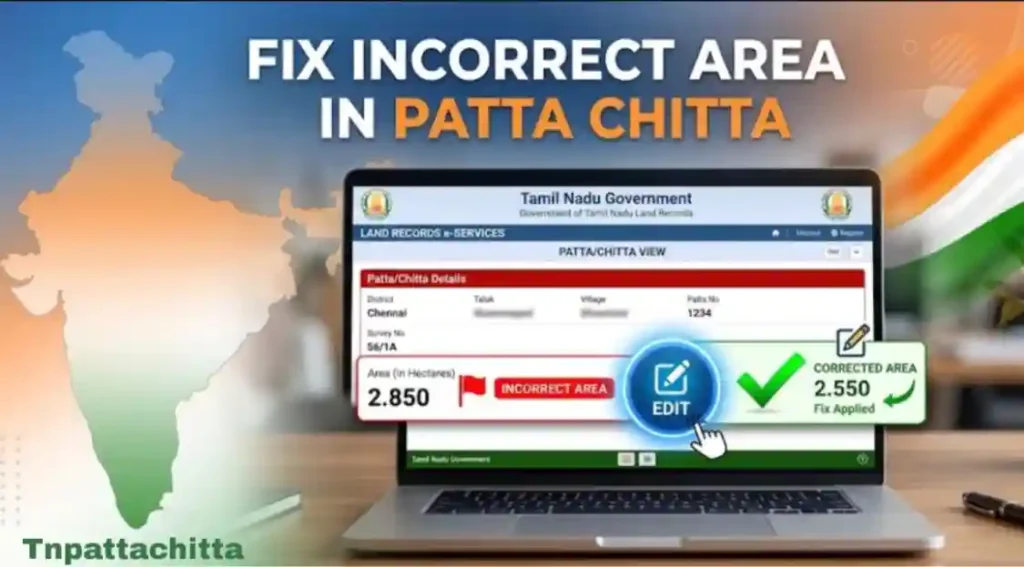
What “Incorrect Area” Means
When the area is incorrect, one of these is usually true:
For land documents like a Patta Chitta, an incorrect area means the number in the record does not match the real size measured on the ground. This can cause legal or planning issues if not fixed.
How to Fix Incorrect Area on Maps
Check Your Device or App Settings
Often the map app like Google Maps shows wrong location or area due to incorrect settings on your device. Try these steps:
This can help Fix Incorrect Area issue in Google Maps and reduce errors in location measurement.
How to Fix Wrong Area Showing on Map
If a map still shows the wrong area after settings are correct:
In many map services, users can request a Fix Incorrect Area correction through built‑in feedback tools.
Map Area Correction Guide for Land Records (Patta Chitta)
For land records like Patta Chitta, wrong area often comes from old or incorrect survey details. Here’s how to correct it:
Step 1: Verify Your Survey Numbers
Check the survey number and subdivision number you used online. If these are entered wrongly, the online results will be wrong. Always double check what you typed.
Step 2: Compare Paper Records
Compare:
If the area in your Patta Chitta does not match the actual measurements in the FMB, you need to Fix Incorrect Area this mismatch.
Step 3: Visit Your Local Land Office
If online corrections do not work:
Request a patta area correction or fresh survey if needed.
Step 4: Follow Official Procedures
In some regions there are formal processes for correction:
This ensures the incorrect area gets corrected in official records.
How to Change Wrong Area Setting in Software Tools
If you are using a mapping or land tool outside of online maps:
Why Correct Area Matters
Getting the area right is important for:
Wrong area or location can cause disputes, delays, and confusion.
Frequently Asked Questions (FAQs)
Q: Why does my map show the wrong area?
Maps may show the wrong area if GPS data is inaccurate, the area was drawn wrongly, or land records have errors. Updating settings or contacting support can help.
Q: How to Fix Incorrect Area in Patta?
Visit the local revenue office with supporting documents and request an area correction in Patta Chitta.
Q: How to rectify a wrong survey number?
Submit the correct survey details at the Tahsildar or revenue office for verification and update.
Q: How long does Patta Chitta correction take?
Correction times vary depending on the local revenue office; it can take days or a few weeks.
Q: Can I fix wrong area in Google Maps myself?
Yes, you can update settings, report the error, or edit the location if the app allows
Q: What documents are needed to correct Patta area?
Documents like sale deed, field measurement book (FMB), and proof of survey numbers are usually required.
Q: Why is my Patta Chitta not showing correctly online?
The portal may be under maintenance, experiencing technical issues, or your data might be outdated.
Q: Can I change a wrong survey number online?
Minor updates may be possible online in some states, but most corrections require visiting the local revenue office.
Conclusion
Fixing a wrong or Fix Incorrect Area on a map requires some patience and careful steps. Start by checking your device or app settings and make sure everything is updated. If you’re dealing with online land records like Patta Chitta, verify all details by comparing documents and using the correct survey numbers.
If the issue still isn’t resolved, visit the local land office and follow the official correction process. Taking these steps will help ensure the area shown is accurate and matches the actual land size or location, preventing future issues.