Patta Chitta Co Owner Dispute Tamil Nadu Guide 2026
Understanding patta chitta co owner dispute resolution in Tamil Nadu is important for anyone who owns joint property. In Tamil Nadu, land is often shared between family members. Conflicts happen when records do not match ownership rights. These issues create legal stress and delay property transactions.
This guide explains everything in simple language. It helps you understand real solutions used in Tamil Nadu revenue system. The focus is on practical steps used in urban and rural areas.
What is Patta Chitta in Tamil Nadu
To understand disputes, you must first understand land records.
- Patta shows ownership of land
- Chitta shows land classification and area
Together, they form land identity in Tamil Nadu.
Related terms:
- tamilnilam patta chitta
- patta chitta adangal meaning
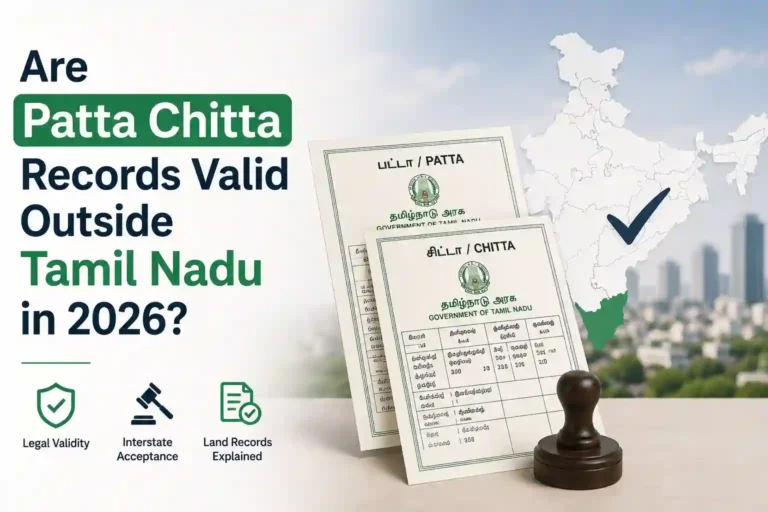
- how patta looks like in tamil nadu
These records are used in:
- Banks
- Registration offices
- Revenue department
Meaning of Patta Chitta and Adangal
Many people confuse these records.
- Patta = owner details
- Chitta = land type
- Adangal = cultivation and usage record
Understanding what is patta chitta and adangal in tamil nadu helps avoid legal confusion. In rural districts like Thanjavur and Madurai, Adangal records are still widely used.
Why Co Owner Disputes Happen
The issue of patta chitta co owner dispute resolution Tamil Nadu case usually starts due to:
- Family inheritance conflicts
- Missing legal documents
- Incorrect mutation entries
- Joint property disagreements
- Old manual record errors
Areas like Chennai Tambaram, Coimbatore Peelamedu, and Madurai Anna Nagar often face such issues due to rapid property growth.
Difference Between Patta and Chitta
Understanding difference helps in dispute cases.
- Patta = legal ownership proof
- Chitta = land classification
- Adangal = usage record
This explains difference between patta and chitta in tamil clearly. Confusion between these records is one major reason for patta chitta co owner dispute cases in Tamil Nadu.
Step by Step Co Owner Dispute Resolution
To solve patta chitta co owner dispute resolution Tamil Nadu, follow structured steps.
Step 1: Check Land Records
- Visit e-services portal
- Verify ownership details
- Compare all co-owner names
Step 2: Collect Documents
- Sale deed
- Inheritance proof
- Aadhaar card
- Tax receipts
Step 3: Apply for Mutation
- Submit request at VAO office
- Or apply online
This is part of land ownership mutation process Tamil Nadu.
Step 4: Field Verification
- Village officer inspects land
- Confirms ownership details
Step 5: Final Approval
- Tahsildar approves changes
- Updated patta is issued
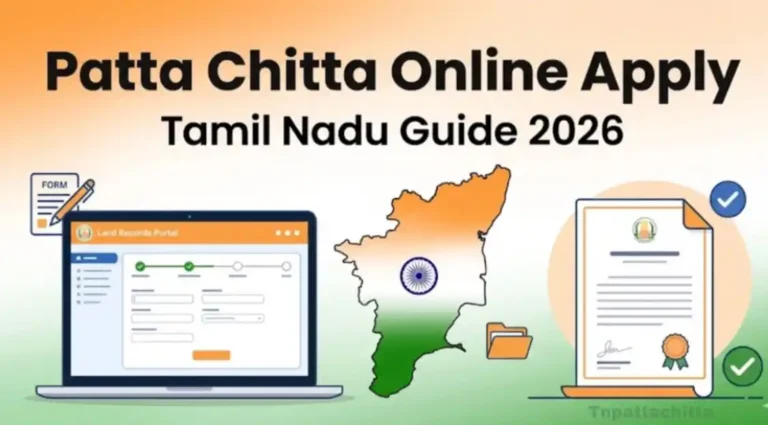
Online Process in Tamil Nadu
Government has digital system for disputes.
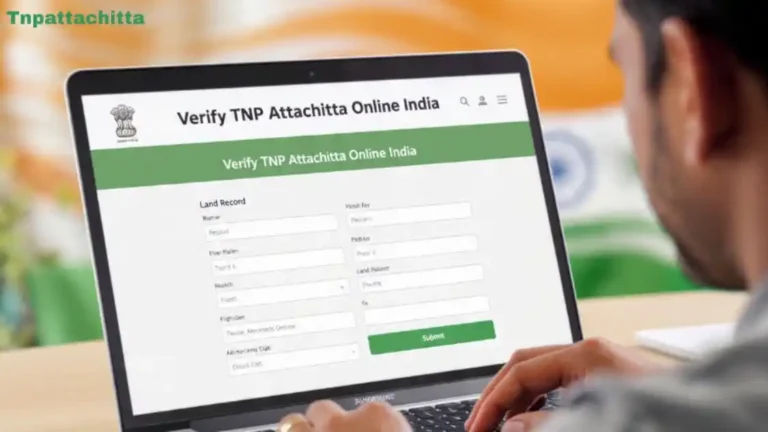
- e-services Tamil Nadu land records portal
- tamilnilam patta chitta
Steps include:
This is part of revenue department patta correction online.
Offline Village Office Process
In rural Tamil Nadu, offline system still works.
Steps:
This is called village land record correction process Tamil Nadu.
Can Co Owners Get Separate Patta
Yes, co-owners can apply for partition.
This is called:
- patta chitta partition process Tamil Nadu
Conditions:
- Mutual agreement
- Legal documents
- Clear land division
Documents Required
For dispute resolution:
- Sale deed or inheritance paper
- Aadhaar card
- Old patta copy
- Survey details
- Property tax receipts
- Encumbrance certificate
Missing documents can delay approval.
Aadhaar Linked Patta System
Tamil Nadu now uses Aadhaar integration.
Benefits:
- Identity verification
- Fraud reduction
- Faster processing
- Clean records
This is called Aadhaar linked patta chitta update.
Online Status Check
After applying, you can track status.
Steps:
This is called patta chitta online application status check.
Time Required for Resolution
Time depends on case type:
- Simple cases: 15–30 days
- Complex disputes: 30–60 days
Delay happens due to:
- Ownership conflict
- Missing documents
Common Issues in Co Owner Disputes
- Wrong name in patta
- Missing heirs record
- Survey mismatch
- Old manual errors
These issues are common in both cities and villages and often lead to patta chitta co owner dispute situations in Tamil Nadu land records.
Important Areas in Tamil Nadu
Dispute cases are common in:
- Chennai OMR and Tambaram
- Coimbatore Saravanampatti
- Madurai Ring Road areas
- Salem and Erode towns
Rapid development increases land conflicts.
How to Avoid Future Disputes
- Keep documents updated
- Register proper mutation
- Verify survey numbers
- Maintain clear ownership records
- Update patta after inheritance
Why Co Owner Conflicts Increase
Main reasons:
- Joint family property system
- Lack of legal updates
- Informal land sharing
- Poor record maintenance
This leads to patta chitta co owner dispute resolution Tamil Nadu case situations.
Step by Step Joint Property Transfer
- Verify ownership
- Agree between co-owners
- Apply mutation
- Field verification
- Final patta update
Online vs Offline System
Online system:
- Faster
- Transparent
- Easy tracking
Offline system:
- Better for rural areas
- Physical verification
Both systems work together in Tamil Nadu.
FAQs | Patta Chitta Co Owner Dispute
How to apply for patta correction online in Tamil Nadu?
Use e-services portal and submit mutation request with documents.
How can I check land ownership in Tamil Nadu?
Check patta chitta online on Tamil Nadu e-services website.
Who is the authority to issue patta in Tamil Nadu?
Tahsildar issues patta under Revenue Department.
What is partition of property among family members in Tamil Nadu?
Legal division of family land into separate shares.
Final Summary
Resolving patta chitta co owner dispute resolution Tamil Nadu requires proper documents, legal steps, and correct application process. Tamil Nadu’s digital system has made it easier than before. But field verification still plays an important role.
Understanding land records like patta, chitta, and adangal helps avoid future conflicts. Proper mutation and timely updates protect ownership rights and prevent disputes.